If you grew up in the 70s and 80s, like me, then you may remember hearing about:
- the importance of old growth forests,
- how horrible clearcutting was, and
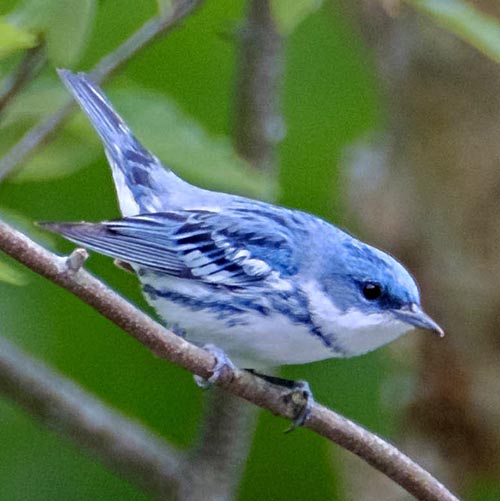
- how we were losing all our neotropical migrating songbirds due to the forests being cut down.
I even remember the Weekly Reader magazines that we got in grade school having articles on those topics.
The general impression we were given at the time was that prior to European settlement the whole eastern U.S. was one giant old growth forest. Then the colonists came and began cutting down the forests. Over the intervening hundreds of years, we just kept cutting down more and more trees until there was virtually nothing left.
So, cutting down or losing any tree for any reason was a horrible calamity. On the other hand, planting trees was always a good thing. “Plant a tree!” became the mantra for anyone that cared even the least little bit about nature.
And that mindset STUCK.
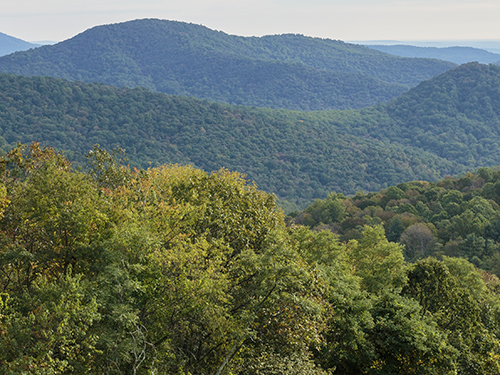
Even today, forests are often viewed as the “best” or “most needed” vegetation types. There are all kinds of “Retree < insert name of city, park, neighborhood, etc. >” initiatives. And the number of those initiatives seems to be constantly growing. Because everyone knows that we need more trees – we’ve been taught that since grade school.
Which is probably why some subscribers to our weekly Backyard Ecologist’s Newsletter were surprised a few weeks ago. In that newsletter, I talked about a recent ice storm that had knocked down a bunch of trees in our woods.
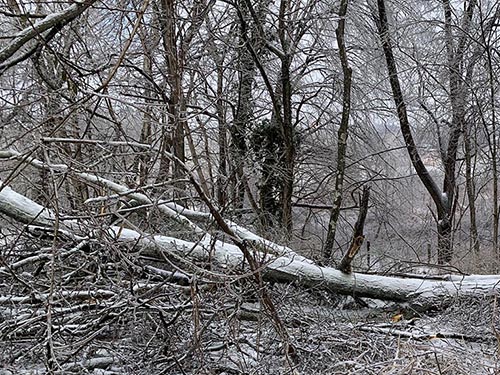
I admitted that it was natural to feel a little sad about the loss of a large tree or one that had sentimental value. But my next statement surprised some of our readers.
I said, “we probably have more trees in the eastern U.S. now than we did 400 years ago, so losing some of them isn’t that big of a deal in the grand scheme of things.” I then went on to describe some of the various ways that those fallen trees in our woods were going to actually benefit wildlife and other plants.
One of our readers emailed me back and said that they found this comment intriguing and heartening, especially given all the doom and gloom that we commonly hear. They also asked if I could elaborate more on this topic in an upcoming blog or podcast. I thought that was a great idea. So, let’s dig in.
What did the forests of the eastern U.S. look like 400 years ago compared to today?
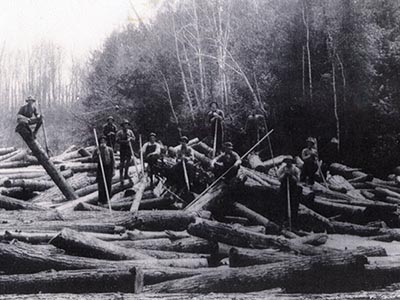
No one debates that significant logging operations occurred in the 1800s and early 1900s. Obviously, that means that there had to be large blocks of forests to support those operations. And that those forests were cut down. I mean, that’s kind of what you do in a logging operation.
But that was only 100-200 years ago. Just because the forests were there and able to be cut 100-200 years ago, doesn’t necessarily mean they were there 400 years ago. Or that those forests looked the same 400 years ago as they did 200 years ago or even today.
Over the last several decades, ecologists have begun using an interdisciplinary approach to try to determine what the natural world looked like in the past. One of the ways they’ve done this is by looking at historical documents.
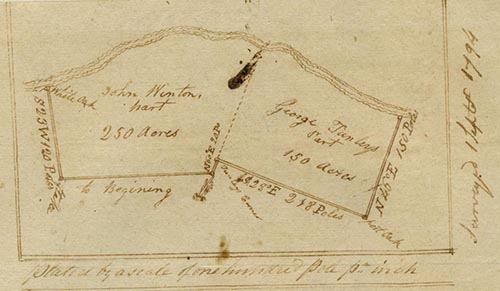
For example, early land grants and deeds often listed trees as boundary markers for an individual’s property or the boundaries of a newly established town. Today, we call those boundary marker trees “witness trees.”
Researchers in multiple states have gone back through those early land grants and deeds to get an idea of what trees were there in the 1600s-1800s. They can then compare what was there “back then” to what is there now. And most of those studies show a similar trend.
In general, the same tree species that were in a location 200-400 years ago can still be found there today. However, in almost every case, there has been a distinct shift in the proportions of those trees.
Historically the most common species were represented by oaks, hickories, and other types of trees that can tolerate significant amounts of disturbance and don’t grow well in lots of shade. In other words, they really need quite a bit of sun to grow and continue to sustain themselves.
Today, the most common species are represented by maples, beeches, tulip poplars, and other types of trees that grow really well in more shady locations and don’t do well in areas that get lots of fire or other disturbances.
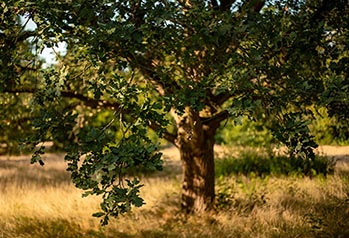
This shift in common species suggests a gradual filling in of the forest and thus an increase in the number of trees. Because the saplings of oaks, hickories, and similar species need a decent amount of light to grow. Ecologically, they are known as shade intolerant species.
If they don’t get that light, then they’ll just kind of hang out in the understory for a bit until they are eventually shaded out and die. Then when a mature oak, hickory, etc. dies and comes crashing down, there aren’t any young saplings left to replace it.
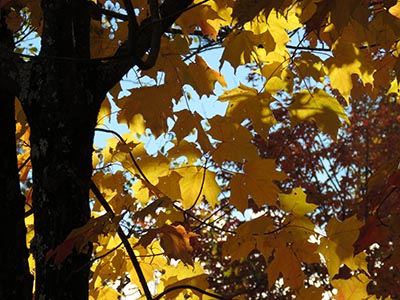
On the other hand, maples, beech trees, tulip poplars, and similar species are what’s known as shade tolerant species. Their saplings can hang out in the understory without much light and still continue to grow.
So, when an opening occurs in the forest canopy, they’re ready to burst forth and fill it. If, of course, they haven’t already crowded their way up into the forest canopy even without an opening.
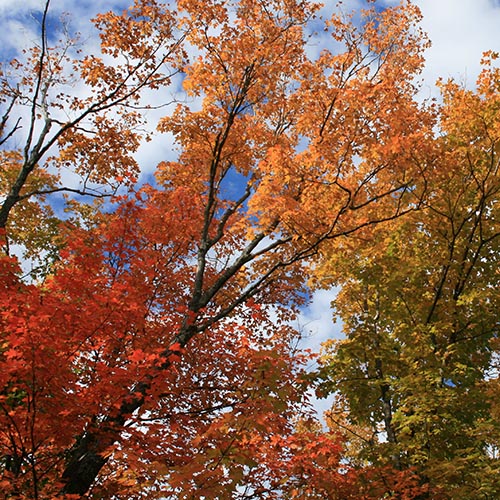
This filling in of the forests and closing up of the forest canopy to create shadier woods is often cited as the primary reason why oak trees are becoming less common in many forests throughout the eastern U.S. Even in the Northeast, which is known for its maple trees, there has been a 20% increase in maple trees compared to historic numbers according to a 2013 joint study conducted by Harvard University and the Smithsonian.
Other studies looking at the impact of invasive species, especially invasive plant species, have also shown significant changes in the composition of eastern forests. The general trend with the invasive species studies is that areas with more established invasive species and more different types of invasive species tend to have lower diversity of native vegetation, including native trees.
We tend to look at a forest and just see trees. But not all trees function the same way. So, changes to things like what types of species grow in a forest or how dense that forest is can have significant impacts on the local ecosystem.
Ripple effects include changes in:
- the wildflowers, grasses, shrubs, and other vegetation that grows in the understory because different species require different amounts of light in order to grow and reproduce.
- the insect community because many insects rely on specific species or genera of plants for at least part of the insect’s life cycle. If those plants aren’t available, then those insects can’t survive there.
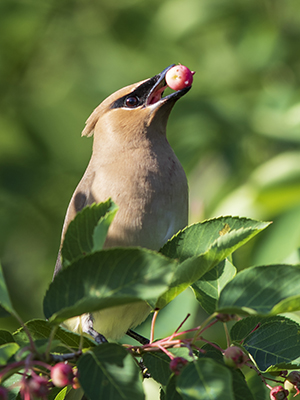
- the birds and other wildlife using the forest because they rely on the insect community, the plant community, or a combination of both for food. If they can’t get what they need to survive and raise their young, then they’ll die out or move somewhere else.
So, while yes, large swaths of forest were cut down in the past, new trees have grown up to replace the ones that were cut down. However, those new trees may not be exactly the same species, in the same proportions, spaced out in the same way, or of the same age classes as those that were cut. And all those things matter.
What if we go even further back in history? What did the forests of the eastern U.S. look like then?
But let’s take a step further back in history because 400 years ago was only the early 1600s. Do we know anything about what the forests of the eastern U.S. might have looked like 600 years or more ago?
Obviously, there are no written records, photographs, or pictures from back then. But there are lots of clues that scientists and historians are beginning to put together to draw some strong inferences.
So, the fact that oaks, hickories, and similar species made up so many of the witness trees in the 1600s, indicates that the woods and forests were likely relatively open at that time. But not all the boundary markers were trees.
Sometimes a boundary was indicated by a stake, stack of stones, or something similar. Those boundary markers also suggest the location was more open and didn’t have any nearby trees. Because, why would you randomly stop using trees as your markers if they were available?
By looking at tree rings from really old trees, researchers can also find fire scars that indicate some areas burned on a semi-regular basis. Semi-regular burning would contribute to more open forests, savannas, and areas with virtually no trees depending on how often the fires occurred.
The journals and other historical records left by some of the earliest European explorers also provide valuable clues as to what the areas they traveled through might have looked like. Many of them frequently talk about coming out of the woods into large, open meadows. They also mention animals like quail, bison, and rabbits which require open meadows or shrubland – not dense forests to live.
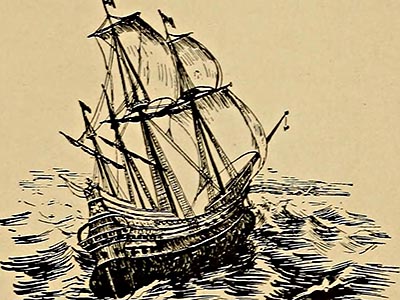
But in the 1600s, things would have changed considerably compared to what they might have looked like just 200-300 years before. As we all know, “In 1492, Columbus sailed the ocean blue.” And unfortunately, that set off a tsunami of European diseases that decimated the populations of the indigenous people who lived here.
Whole towns and civilizations were wiped out and lost to history. By the time the European colonists began creating settlements such as Jamestown, over 100 years later, there was no longer any physical trace of the indigenous towns and civilizations which had been wiped out.
It would have looked as if they never existed. But we can’t ignore the impacts that those indigenous civilizations would have had on the natural world around them.
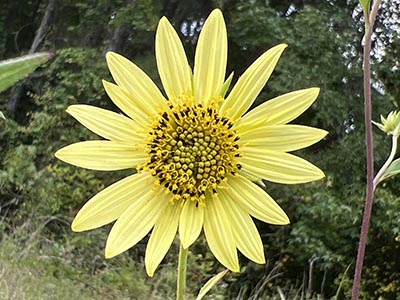
The archeological records show that the indigenous people in the Mammoth Cave area of southcentral Kentucky were growing sunflowers for food at least 3,000 years ago. Other grains and melon-type fruits were also commonly grown in the eastern U.S. around that same time.
And if you’ve ever grown a garden, you know that sunflowers, grains, and melons require lots of sun. They don’t grow in dense forests.
We also know from the archeological records that there were numerous, large indigenous settlements scattered across the North American continent with established trade routes connecting them. If you’re going to have established towns and cities, then you have to have a way to feed the people who live there. So, that would suggest lots of surrounding open areas for agriculture.
So, all of these different combined lines of thought, plus other information such as that gathered pollen cores and other sources, indicate that the eastern U.S. was not one solid old growth forest before European settlement.
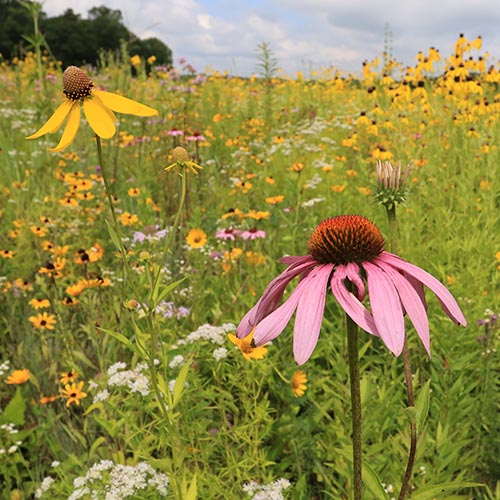
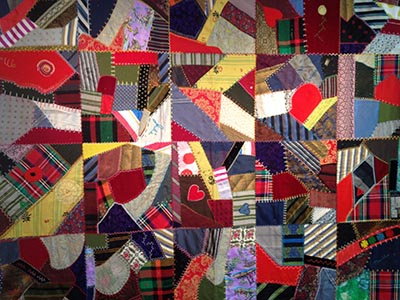
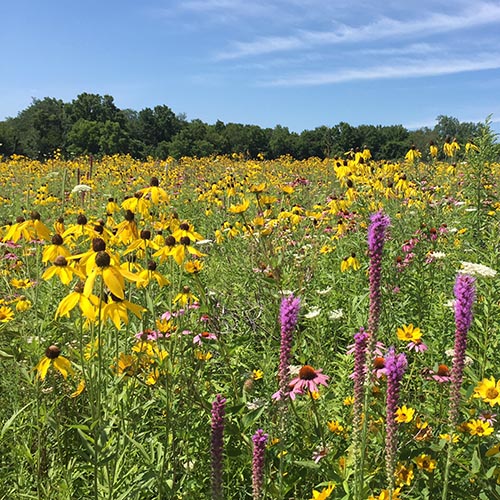
Instead, it was likely more of a crazy patchwork quilt made up of deep forests, open woods, savannas and barrens, grasslands, and shrublands. And those diverse vegetative communities and ecosystems had likely existed for thousands of years.
So, why do we have so many trees now?
The questions then become….
- “Why don’t we still have such a diverse, crazy, patchwork quilt of vegetation on the landscape?”
- “Why do we have so many trees and why do we think that’s what we should have?”
The reason why we have so many trees now is an easy question to answer. Trees will easily grow in most of the eastern U.S.
One of the things trees need to grow well is plenty of rain. Generally speaking, the eastern U.S. has no lack of rain. We get lots of rain each year. In fact, we’re considered a temperate rainforest because we get so much rain.
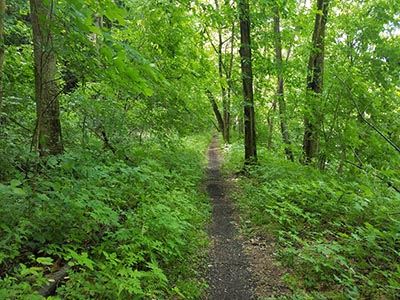
So, an area that isn’t being disturbed in any way will likely turn into a forest within a few decades unless there’s something going on with the soils (such as being too rocky, too sandy, etc.) that limits tree growth.
We’ve seen this on our own property and it’s amazing how quickly it can happen. In a little over a decade, we’ve watched some parts of our property morph from completely treeless fields to young woodlots because we didn’t keep mowing the fields.
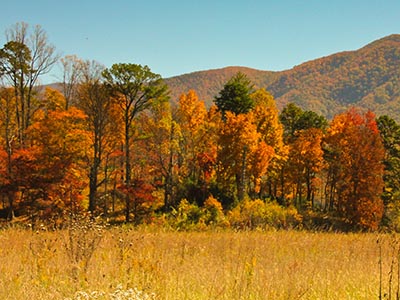
By the time the early European colonists and explorers came through many parts of the eastern U.S., it would have been over 100 years since the indigenous cultures of those areas had first been decimated by European diseases.
So, the meadows and open areas recorded by those early explorers and colonists were probably fewer and smaller than they would have been 100 or 200 years before. Because in the past the indigenous cultures would have helped keep those areas open for farming and other activities.
Then of course, the remaining open areas would have been some of the first places that the European colonists would have turned into their own farmland. Because why clear a forest when there’s already a perfectly good open area sitting right there?
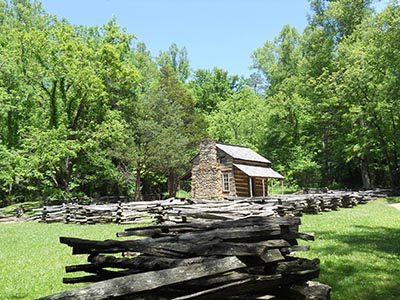
The suppression of fire and other disturbance factors over the years as places became more settled also allowed more trees to grow. Not to mention, declining populations of bison, elk, and other large herbivores which previously would have contributed to keeping the areas where they roamed relatively free from trees.
So, in many ways, that crazy patchwork quilt of diversity was just forgotten. And it quickly faded out of cultural memory as people struggled to survive in a new land.
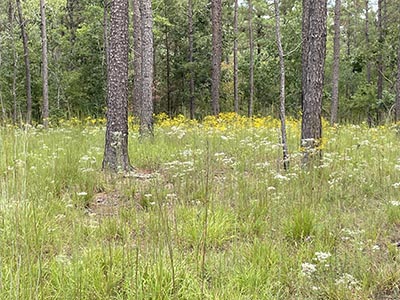
Then because virtually everything wants to grow into trees, it was assumed that trees were what was supposed to be there. That idea was reinforced as various farms and towns were abandoned over the centuries and more trees were able to grow in those places.
And why does it matter if we have more trees now than we did?
We need that crazy patchwork quilt of deep forests, open woods, savannas and barrens, grasslands, and shrublands to support all of our native plants, pollinators, and wildlife.
For example, the 2025 State of the Birds Report found that birds which require mature forests to breed in (those species that we were all so concerned about in the 70s and 80s) are generally doing pretty well.
However, species that require more open woods and disturbed forests are plummeting, especially in the Southeast. The same report found that grassland birds have experienced a 43% decline since 1972. And that’s just for birds.
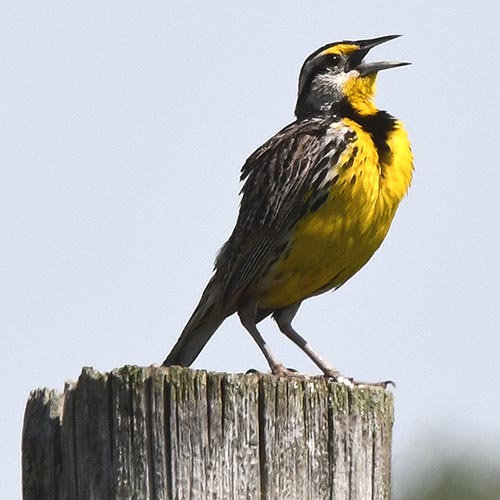
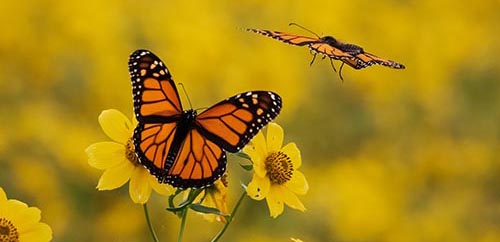
Think about all the different butterflies, bees, moths, fireflies, and other insects that need more open ecosystems in order to survive and thrive. Or all the different types of plants that grow in those different types of ecosystems. Or the mammals, reptiles, and amphibians that rely on those diverse ecosystems. The list keeps growing as the impacts of losing most of that crazy patchwork quilt keep rippling out.
What should we do about it?
Until we begin to understand the value and importance of all the different parts of that crazy patchwork quilt, we have little hope of anything different ever being done. Change always begins with understanding and caring.
So, I think the most important first step we can take is to accept that just because virtually everything can be forest, doesn’t mean it should be forest. We have to overcome some of those preconceived notions that we grew up with. We have to recognize and begin talking about the value, not just of the woods and forests, but also of the more open areas.
The next step is to start actively managing for the appropriate type of vegetation for where we live. That means some of our forests and woods may need to be cut and opened up some.
Anthony and I were planning on doing some of that to our woods before the ice storm came through and knocked down so many trees. And while the ice storm did some of our work for us, we still have a lot more work ahead of us because it didn’t knock down all the trees that need to come down in our woods.
But even if you don’t have woods of your own, that doesn’t mean there’s nothing you can do. You can have conversations with public lands managers at parks and other locations around you because those trees and forests need to be managed too. And public input, for better or worse, does have a large impact on how those forests are managed.
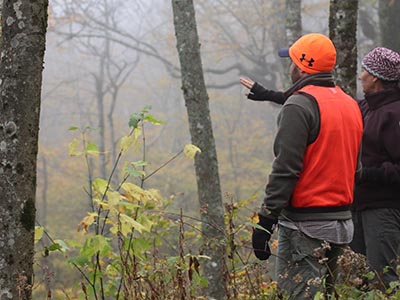
So, talk with your local land managers. Ask them about what the area likely looked like 400 or 600 years ago. Learn what resources they are using to determine that and have discussions with them. (Most natural resource managers I know enjoy geeking out and having those discussions with people who are genuinely interested.) Let them know that you’d support actively managing for some more open areas if that would be appropriate to the area.
Or, maybe the next time you hear of a “Retree < wherever >” initiative, you take a few minutes to do some research before jumping on board. Do more trees really need to be planted there? Or is there an opportunity to create more regionally appropriate open areas? Maybe you could even have a conversation with the committee in charge of the initiative. Odds are, they grew up hearing the same things we did and may not realize that there are other equally valuable alternatives.
Disclaimers and final thoughts
Ok, now before I start getting hate mail, I want to make a few things very clear.
- I’m not saying there weren’t large swaths of forests in the eastern U.S. Those definitely existed, especially on north or east facing slopes and down in steep valleys or ravines.
- I’m not trying to minimize the importance of mature or old growth forests. They are extremely important and we need to protect them because they support plants and animals that can’t exist in more open areas.
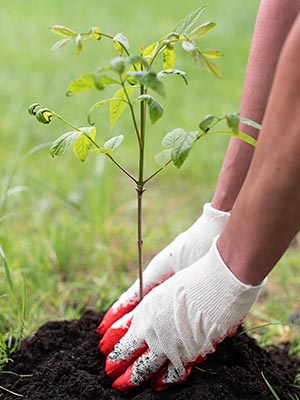
- I’m not implying that we should indiscriminately cut down trees or stop planting any new trees. Not all forests should be cut and there are places where “Retree < wherever >” campaigns make perfect ecological sense.

What I am saying is that we need to find regionally appropriate balances. We need to stop being so focused on just having trees and forests that we forget that diversity at all levels is also important. The types of trees and how far apart they are in the woods is going to affect what else grows there and the types of animals that live there.
Some areas should have lots of maples, beeches, and other shade tolerant tree species. Some areas should have mostly oaks, hickories, and other shade intolerant tree species that are spaced further apart. Other places should be mostly open with just a few scattered trees. Still other places should have basically no trees growing there at all.
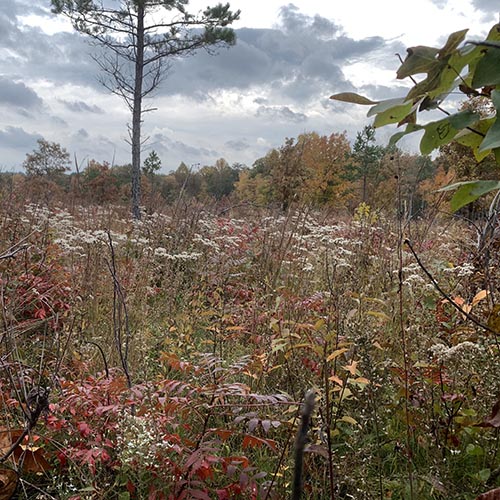
There’s room for all different types of ecosystems and communities in this crazy patchwork quilt of the eastern U.S. Some of those ecosystems just require a bit more active management than others. And that’s ok.
Remember, people have been living here and interacting with the environment for thousands of years. We’re part of the ecosystem too and humans have always had an impact on what’s around us.
So, let’s use our influence to support a crazy patchwork quilt of deep forests, open woods, savannas and barrens, grasslands, and shrublands which will support ALL of our native plants, pollinators, and wildlife.
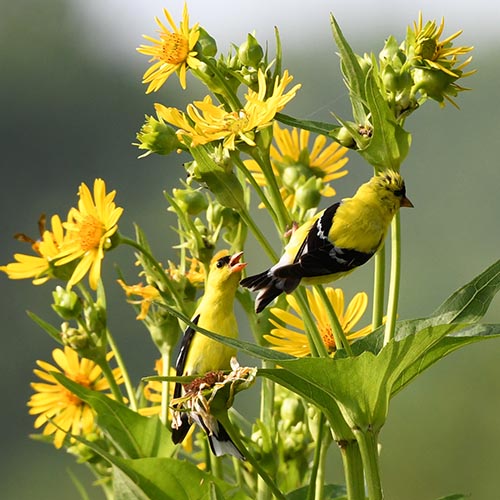
If you would like personalized help creating your own pollinator and wildlife habitat, then we encourage you to check out the Backyard Ecology Community.
There’s lots of great “big picture” information available about creating pollinator gardens or larger habitats for pollinators and wildlife. What’s lacking are opportunities to say, “This is what I want to do. This is what I’m struggling with. How do I make it work on my property?”
That’s part of what the Backyard Ecology Community offers its members every day.
Thank you!
These amazing individuals go above and beyond every month to provide financial support which helps us create so much free content for everyone to enjoy and learn from.
Julie Krygier, Lizabeth, Russel Furnari, Crystal Robinson, Karen Veleta, Kevin B, Crystal Dyamonds, Mitchell Bell, Sue Ann Barnes, Adrienne Richardson, Ariel, Cara Flinn, Cathy, Michael, Tom Winner, Eric Fleming, Julie, SB H, Craig, Rachel Antonucci, Melissa Egbertson, Switzy, Vilma Fabre, Pia O Nomata, Patrick Dwyer, Paul Gourley, John Master, William Morin, Debra, Ayn Zitzman, Debra Moore, Han Mad, Isaac Kowis, Cathy Anderson, Betsy Lessels, Reid, Dave Teare, I’m Trying for Good, Jeff, Richard, and Chris Peterman.
Backyard Ecology™: Creating thriving backyard ecosystems that you can enjoy and be proud of
We created Backyard Ecology™ to help you confidently create pollinator and wildlife habitat that you can enjoy and be proud of. Because nature isn’t just “out there.” It’s all around us, including right outside our doors.
Our focus on the eastern U.S. means that the information we share is applicable to you and where you live. Join us as we ignite our curiosity and natural wonder, explore our yards and communities, and improve our local pollinator and wildlife habitat.
Backyard Ecology’s Guiding Principles:
🦋 Curiosity: Nature is fun, interesting, and worth exploring. We will never know everything. Answers lead to more questions. That’s half the fun.
🦋 Balanced: You don’t have to choose. You can support nature AND have a beautiful property that you can enjoy and be proud of.
🦋 Science informed: Habitat creation and management should be based on the latest scientific research available. This is true regardless of whether you’re working in a small garden or on hundreds of acres.
🦋 Stewardship: Anyone can make a positive difference in the natural world and leave an ecological legacy on their property.
Leave a Reply